


Celebrate the effervescent history of kombucha
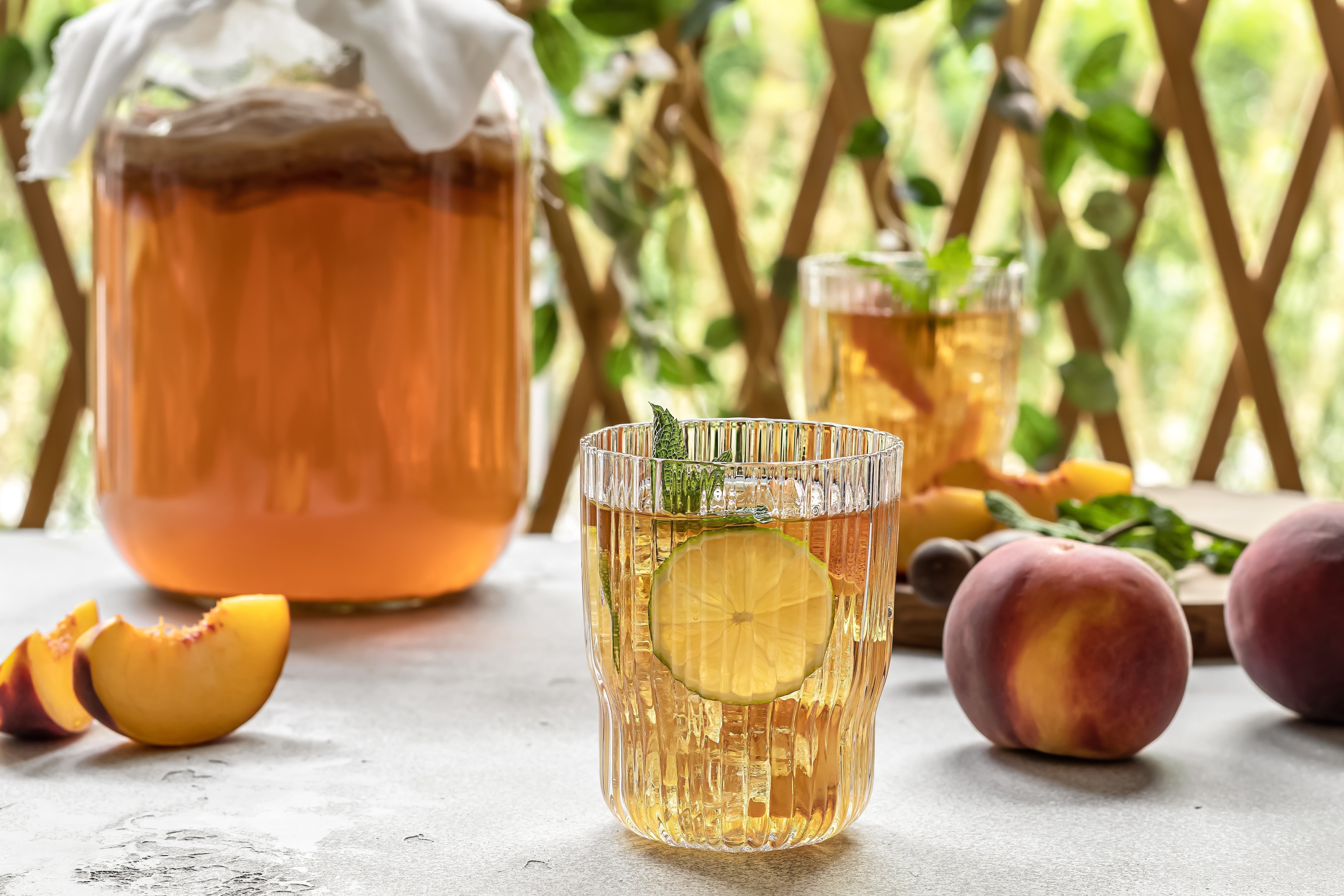
Every year on February 21, kombucha fans worldwide celebrate World Kombucha Day. But why exactly does this day exist? It's simple: it's a tribute to a drink that has delighted, inspired, and refreshed people for over 2,000 years. The day aims to showcase how versatile kombucha is, how creatively it can be used, and how much joy this effervescent drink brings – whether bought or homemade.
1. The history of kombucha – more than a trend
Kombucha has a fascinating and mysterious history that dates back a long way. As a fermented tea, kombucha probably first originated in China around 200 BCE, where it was considered the "elixir of life." Emperors and scholars, in particular, are said to have valued the fermented tea drink. Historically, kombucha has always been associated with vitality, energy, and well-being.
The name "Kombucha" itself probably comes from Japan, with "Ko" meaning mushroom and "Cha" meaning tea. According to a Japanese legend, a Korean doctor brought a fermented tea to the imperial court, which made the drink known in Japan. Through trade routes, kombucha later spread to Russia, where it became popular under the well-known name "Kombucha," and from there further to Europe.
In the past, kombucha was not only valued for its taste but above all for its supposed positive effects: For centuries, kombucha was appreciated in various regions as a traditional fermented tea drink and consumed on many different occasions. Over the centuries, kombucha remained a popular home remedy before beginning its triumphant march as a trendy drink in Europe and North America in recent decades. Today, it combines tradition, craftsmanship, and taste – and delights people worldwide as a sparkling, fermented tea drink.
2. Myths about kombucha
Numerous myths surround kombucha. Some of the most well-known are:
-
"Kombucha is a miracle cure": No, it does not cure diseases – but it is refreshing and can contain live cultures
-
"The SCOBY is dangerous or toxic": False. The SCOBY is a living symbiosis of yeasts and bacteria responsible for fermentation. With proper hygiene, a SCOBY is intended for fermentation. If mold or other noticeable changes occur, the batch should be discarded.
-
"Kombucha is always sweet": This is also not true. Through fermentation, the SCOBY converts sugar into natural acid. This creates the characteristic slightly sour, effervescent taste.
3. Interesting facts about kombucha
Kombucha is more than just a sparkling drink. Some exciting facts:
-
Ingredients: Kombucha is made from tea, sugar, water, and a SCOBY culture. Herbs, fruits, or spices can also be added later.
-
Fermentation: Fermentation is a natural process where yeasts and bacteria work together to convert sugar. This creates the typical effervescent taste.
-
Microorganisms: A SCOBY contains millions of microorganisms that make the drink alive.
-
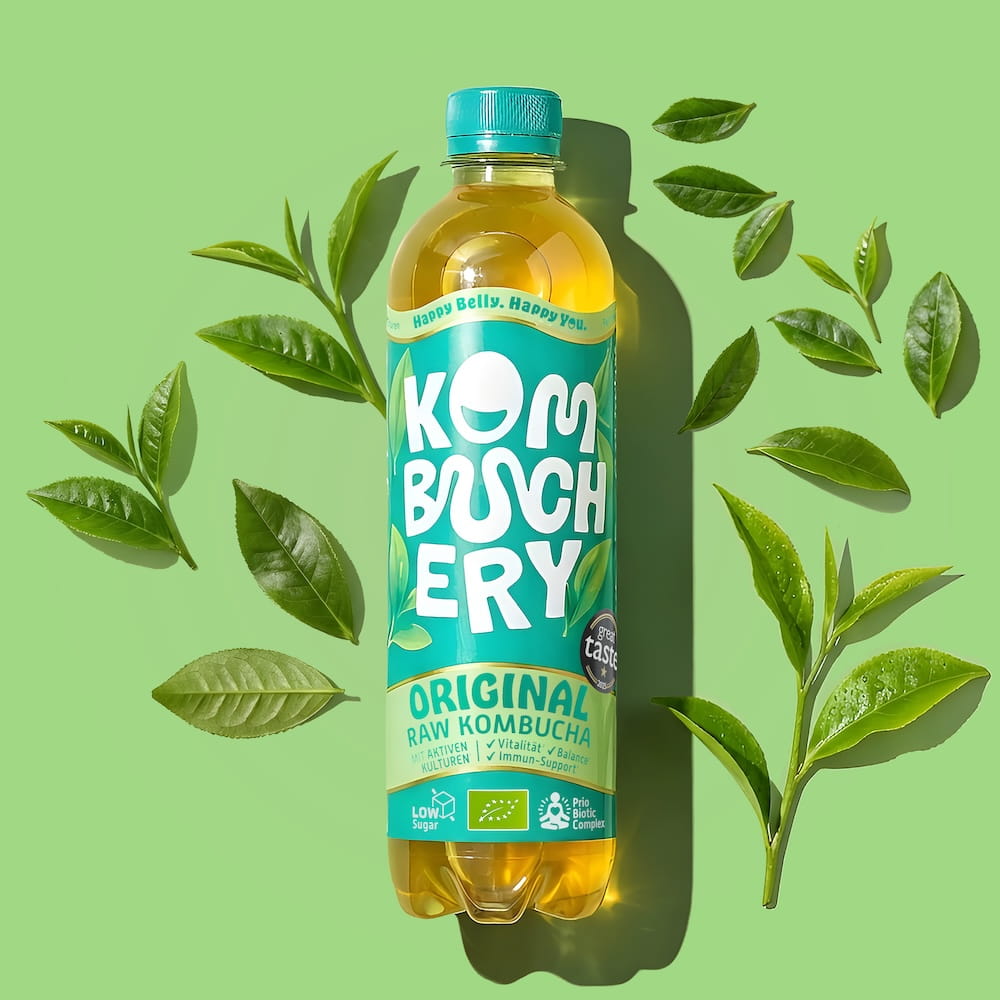
Flexible: Kombucha can be fermented with green, black, or white tea – each base changes the taste and aroma.
-
Tradition vs. Modernity: While it was once considered a medicinal drink, kombucha is now a lifestyle drink offered in many variations, such as fruit or herbal blends.
4. How to celebrate World Kombucha Day
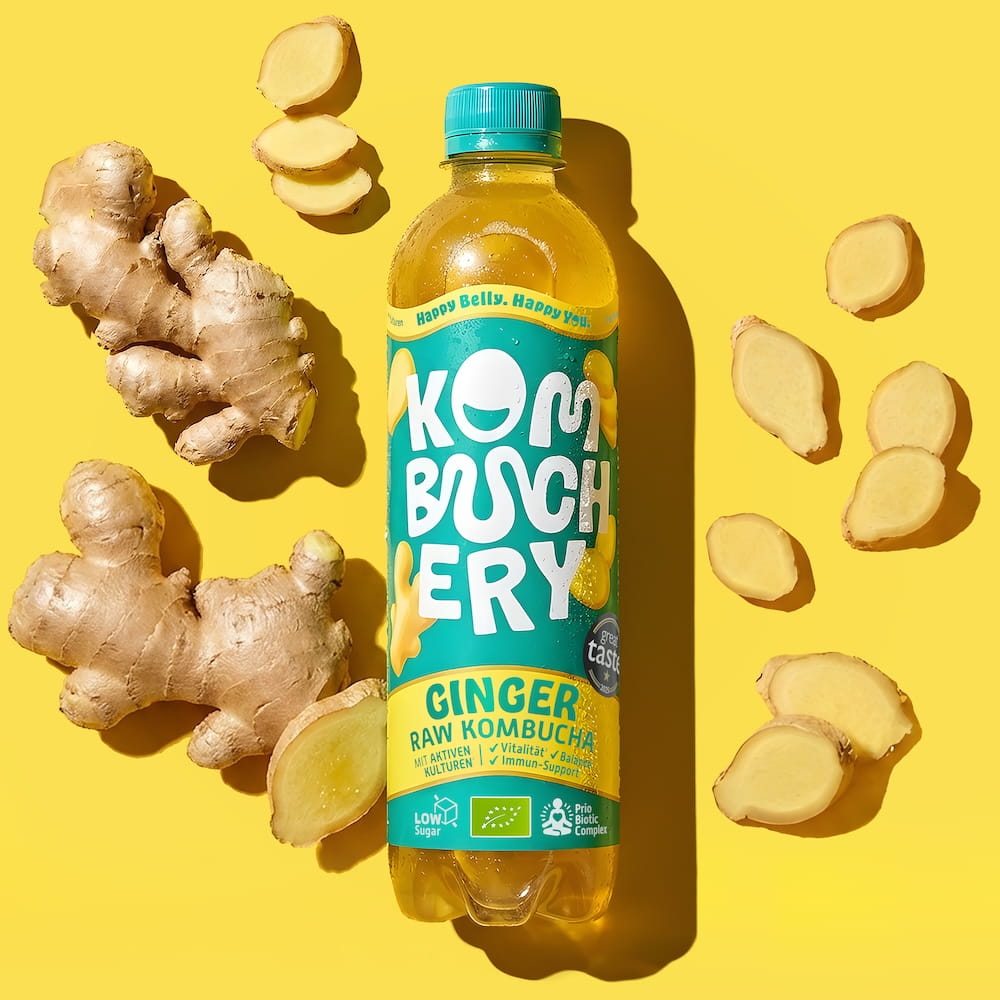
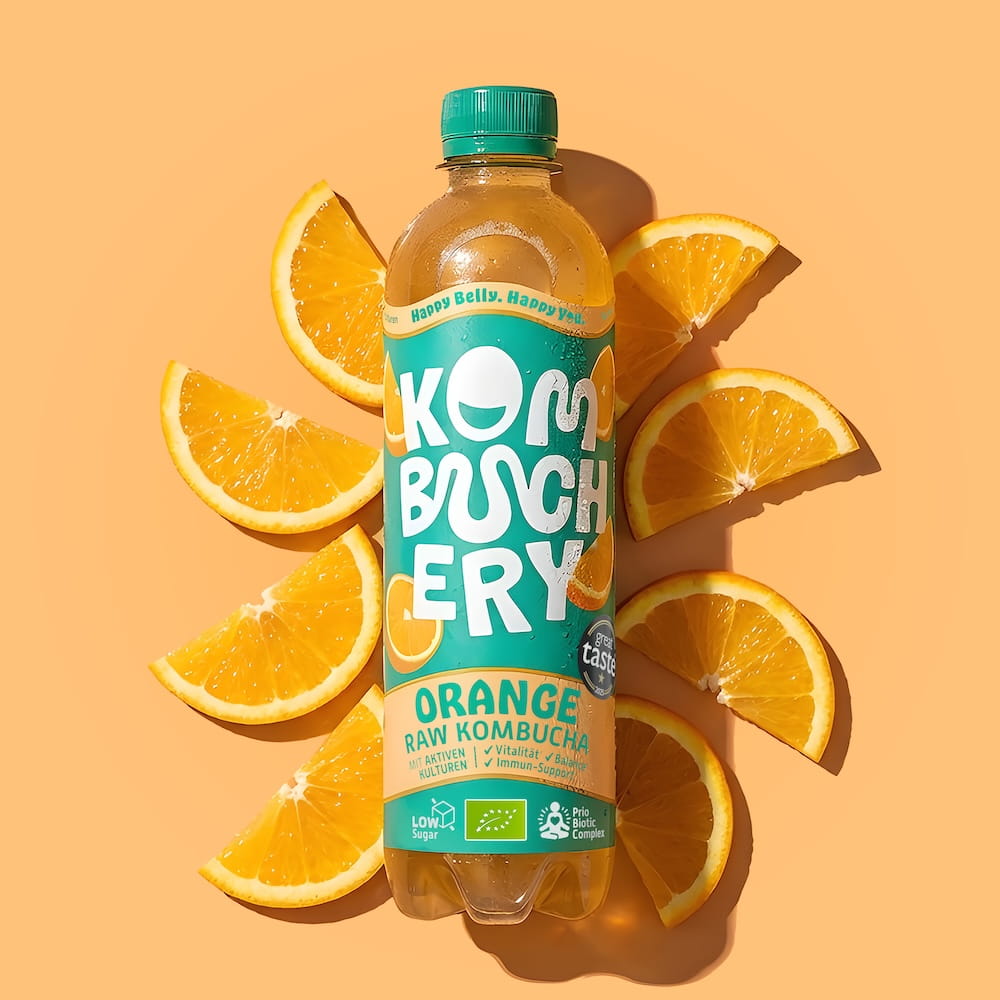
February 21 is the perfect occasion to enjoy kombucha – whether alone or with friends. For example, you could host a small kombucha party where you try different varieties and taste your way through the diversity. Those who fancy a DIY experience can use the day to brew kombucha themselves and discover their favorite flavor. Nowadays, there are also many brands in Europe, so you can discover and compare new varieties – from classic to fruity. Share your creations or inspirations on social media and connect the day with the global kombucha community.
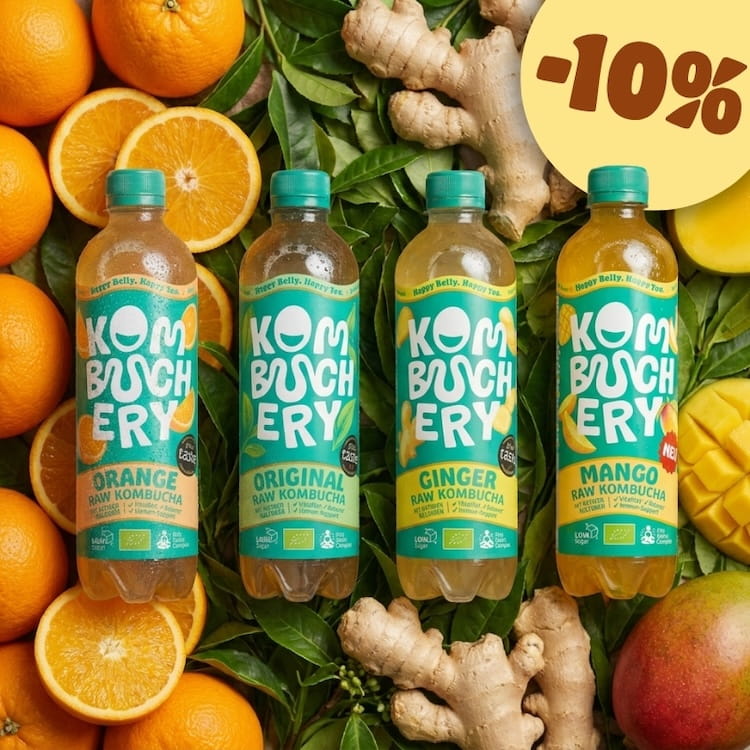
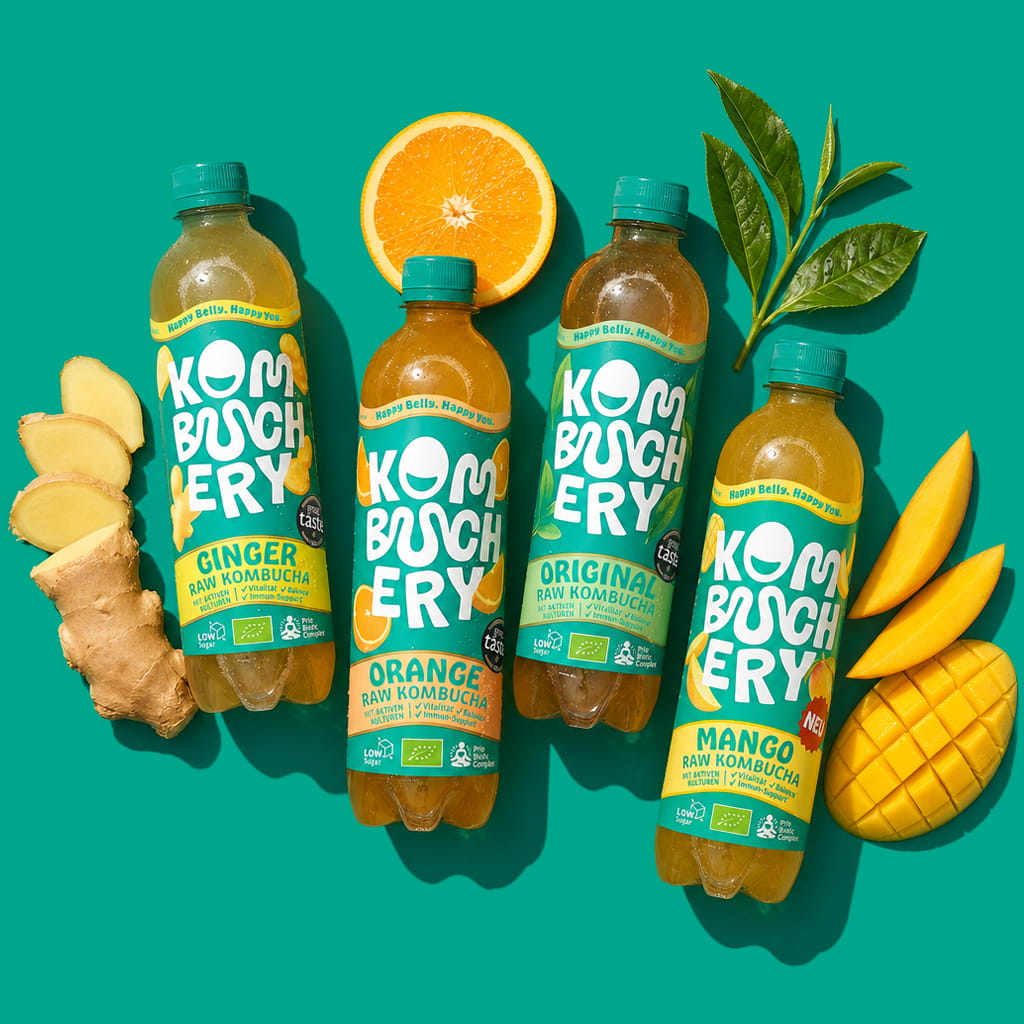
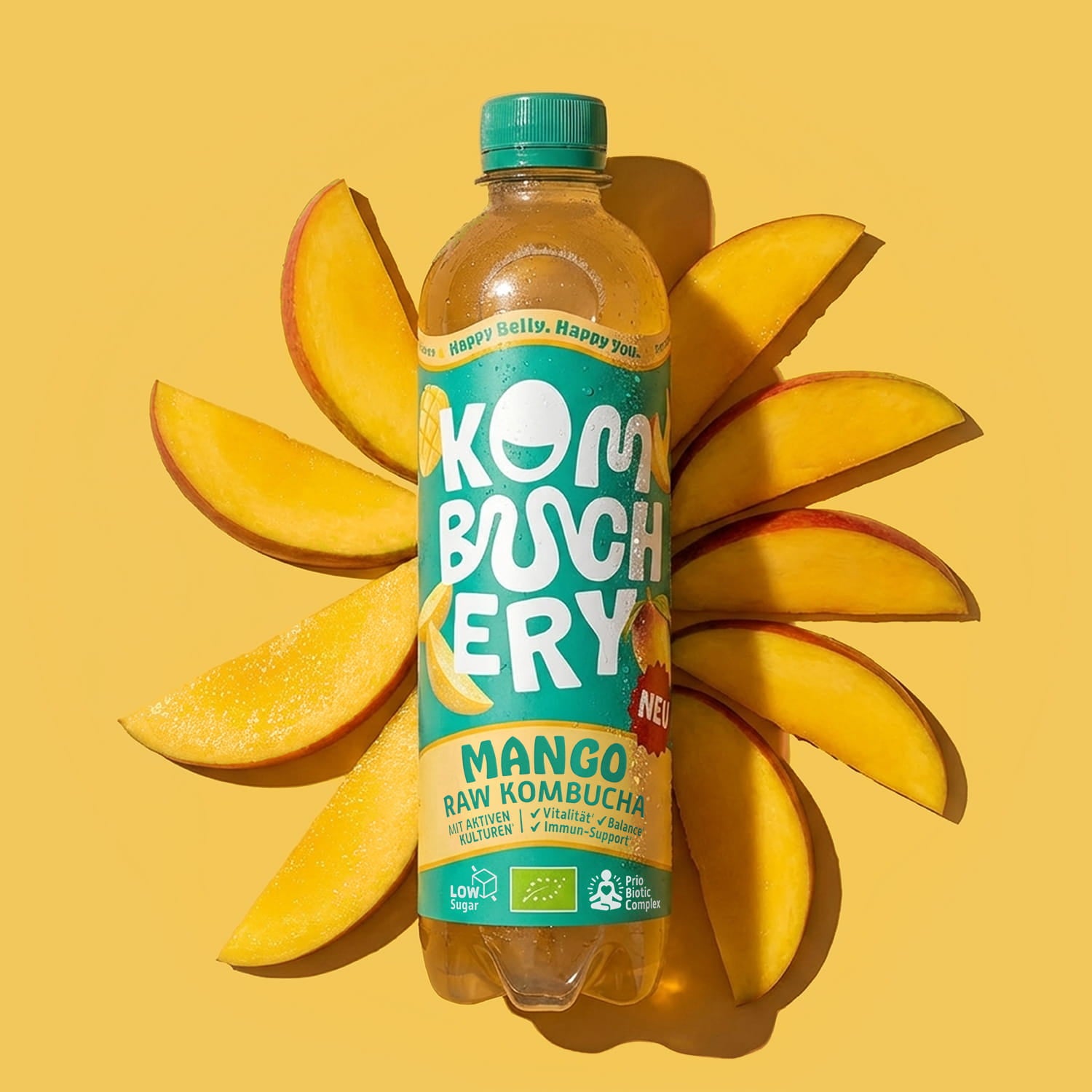
If you don't have your own kombucha variety at home yet or prefer to try ready-made options, World Kombucha Day is the ideal opportunity to test different varieties. This way, your day is guaranteed to be sparkling and varied. And who knows – maybe it's the beginning of a new tradition:
5. Kombucha Quiz – Test your knowledge
Question 1: From which country does kombucha originally come?
A) Japan
B) China
C) Russia
Question 2: What does "SCOBY" stand for?
A) Symbiotic Culture Of Bacteria and Yeast
B) Sweet Fermented Tea
C) Special Mushroom from Japan
Question 3: What ingredients are needed for classic kombucha?
A) Water, sugar, tea, SCOBY
B) Milk, sugar, yeast
C) Fruit juice, water, yeast
Question 4: Approximately how many microorganisms does a SCOBY contain?
A) Thousands
B) Millions to billions
C) Only a few dozen
Question 5: Why is kombucha fermented?
A) To convert sugar into acid and carbon dioxide
B) To make it sweeter
C) To preserve it
Question 6: What characterizes classic kombucha?
A) Fermented tea
B) Characteristically sweet and sour taste
C) Live cultures, depending on production
Question 7: In what year was kombucha first historically mentioned?
A) 200 BCE
B) 1200 CE
C) 1900 CE
Question 8: Is kombucha always sweet?
A) Yes, always
B) No, it is slightly sour
C) Only when bought
Question 9: Which base teas can be used for kombucha?
A) Green tea
B) Black tea
C) White tea
Question 10: How can different kombuchas vary?
A) Ingredients and sugar content
B) Pasteurization or unpasteurized production
C) Tea, fermentation, and further processing
World Kombucha Day on February 21 invites you to celebrate the history, tradition, and diversity of kombucha – whether home-brewed or store-bought. 🥂 From now on, it should be a fixed date in every calendar, celebrated every year with kombucha – who knows, maybe it will even become an international holiday one day!
Solutions:
-
B) China
-
A) Symbiotic Culture Of Bacteria and Yeast
-
A) Water, sugar, tea, SCOBY
-
B) Millions to billions
-
A) To convert sugar into acid and carbon dioxide
-
Correct answers: A, B, C
-
A) 200 BCE
-
B) No, it is slightly sour
-
A, B, C all correct – green, black, and white tea are suitable
-
A, B, C all correct – Kombucha can differ significantly in recipe, fermentation, and processing.




Share: